Inside Yoga Union

The people and the process behind the hub: practising teachers who still run weekly classes, vet every studio listing, and write the guides from direct experience rather than press releases.

How this hub came together

A short record of the decisions, detours and conversations that shaped Yoga Union into what it is today.

  1. 2019

    A shared spreadsheet becomes a directory

    It started as a list passed between teachers in Ubud and Yogyakarta: which shalas had space for a Saturday class, who was hiring, which studios actually paid on time. The list grew past a hundred entries before anyone thought to publish it.

  2. 2020

    Studios close, the journal opens

    With most shalas shut, we turned to writing. Teachers sent in class recaps from their living rooms, notes on teaching online, and honest pieces about income during a year without students. That first run of essays set the tone we still keep: written by people who teach, not by anyone selling something.

  3. 2021

    A vetting process, written down

    Listings had grown messy. We started calling every studio before it went live, asking about certification, class sizes and how they handle props. Two editors now check each workshop and retreat entry against the organiser's own schedule, and we remove anything we cannot confirm.

  4. 2022

    Training guides, without the sales pitch

    Readers kept asking the same questions about 200-hour courses: what a day actually looks like, which certification bodies matter, what to pack. We answered them in plain language, including the parts programs tend to leave out, like rest days and the cost of living near a training centre.

  5. 2024

    Studio profiles beyond the archipelago

    Teachers who trained here opened spaces in Cape Town, Lisbon and Chiang Mai, and asked us to cover them too. The directory now spans several countries, but the rule holds: a profile is written after a visit or a long conversation, never from a press release.

How Yoga Union grew, one honest decision at a time

The hub did not start as a plan. It started as a shared spreadsheet of studios that a handful of teachers actually trusted, and it kept growing because people asked for more.

  1. 2016

    A list passed between teachers

    Two teachers in Ubud kept a running note of shalas where the floor was clean, the props were maintained and the owner paid visiting instructors on time. It was never meant to be public. When they shared it with a training group, requests came back within a week from Yogyakarta and Bandung.

  2. 2018

    Vetting before listing

    The first real editorial rule was simple: no studio appears in the directory until someone on our team has taken a class there. That meant slower growth and a few awkward conversations with owners who expected a listing after sending a press kit. It also meant the recaps and profiles could be written from the mat rather than from a brochure.

  3. 2020

    Writing through a closed year

    With studios shut and trainings postponed, the journal shifted to the practical questions teachers were already asking each other: how to keep a small space solvent through a quiet season, how certification bodies counted contact hours when everything moved online, and what a 200-hour intensive actually demands of a body. Those pieces still get the most replies.

  4. 2022

    Teachers, not marketers

    Every contributor still teaches weekly classes, runs a training or manages a shala. That constraint shapes what we publish. If a listing changes its schedule or a retreat moves dates, we correct it because we notice, not because a form was submitted. Studio profiles from Cape Town joined the Indonesian ones around this time, after enough travelling teachers asked for them.

  5. Today

    A directory that stays small on purpose

    We turn down more listings than we accept. The directory is not trying to be exhaustive; it is trying to be useful to someone deciding where to practice on a Tuesday morning or where to spend four weeks earning a certification. The same standard applies to the journal, the retreat calendar and the notes on pricing and props that owners keep asking us to write.

Inside the work: classes, shalas and the people who keep them going

Photographs from the rooms we write about. Each frame comes from a teacher or studio owner we know, taken during an ordinary week rather than a styled shoot.

Yoga Union inside

Ubud, Bali

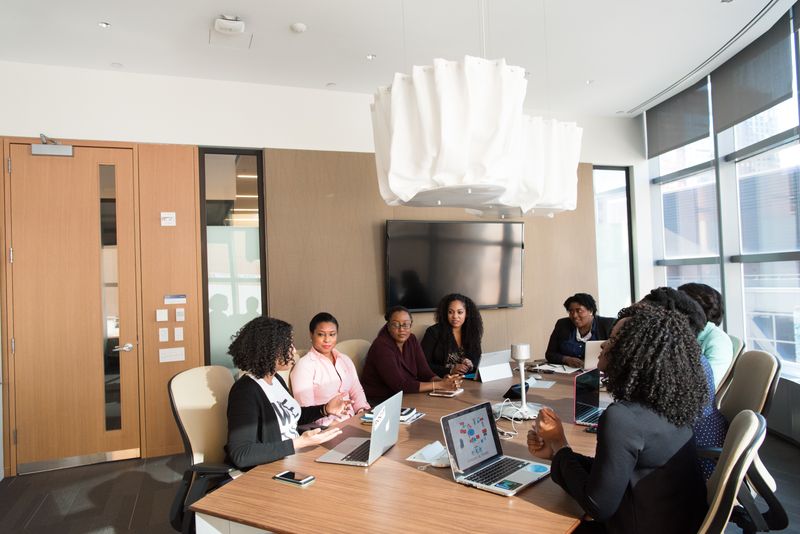
Fourth week of a 200-hour intensive. Most of the group is asleep before the afternoon anatomy session begins.
Yoga Union inside

Yogyakarta

Props laid out for a yin session. The owner replaces cork blocks roughly every eighteen months of daily use.

Yoga Union inside

Bandung

A twenty-mat shala before the first class of the day. Rainy season means planning for quieter weeks.

Yoga Union inside

Cape Town

A Saturday vinyasa slot. The teacher still runs two public classes a week alongside writing for us.

Yoga Union inside

Denpasar

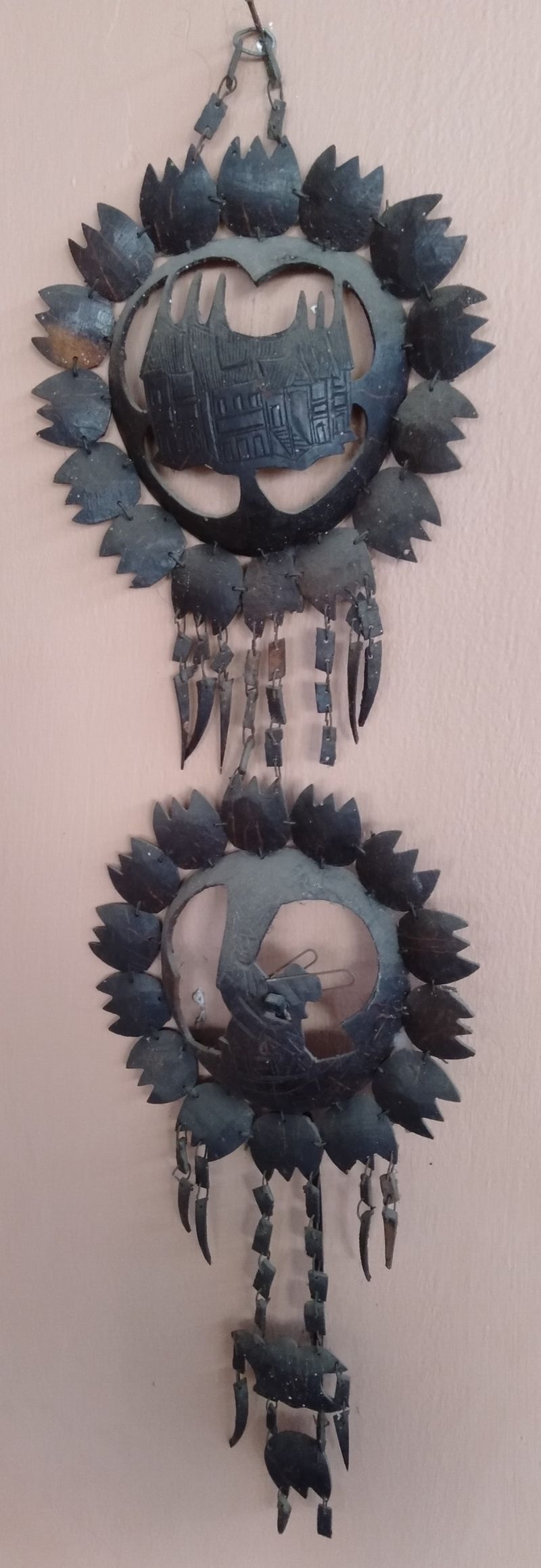
Detail from a workshop on props. We photograph the small adjustments, not just the finished shape.
Yoga Union inside

Surabaya

After the last class. Owners talk openly about pricing and quiet months, and we write it down as they say it.

Cookie settings We use cookies to keep the site reliable, remember basic choices, and understand which pages are useful. You can accept, reject, or review the settings before continuing.